
Beneath its tourist attractions, Madeira conceals a dark tale of the birth
of capitalism. In September, I am beginning my own artist-in-residence programme there, organised in collaboration with Ci.CLO Plataforma de Fotografia. The project is supported by the Adam Mickiewicz Institute through the “ReSide” programme. Co- financed by the Minister of Culture and National Heritage of the Republic of Poland.
of capitalism. In September, I am beginning my own artist-in-residence programme there, organised in collaboration with Ci.CLO Plataforma de Fotografia. The project is supported by the Adam Mickiewicz Institute through the “ReSide” programme. Co- financed by the Minister of Culture and National Heritage of the Republic of Poland.
As an artist-researcher, I will examine the island through the prism of the ‘Capitalocene’ – a concept developed by Professor Jason W. Moore. In my project, Madeira serves as a model of the contemporary world; rather than focusing solely on local history, I am interested in the mechanisms that were tested here. It was on the 15th-century sugar plantations that the ruthless, capital-driven exploitation of resources and people was developed – patterns that were transferred to other parts of the world and which continue to be repeated across the globe to this day.
By combining documentary photography, field research and archival research, I aim to explore whether images can help us understand and illustrate the mechanisms that have permanently shaped the territory of Madeira and the entire planet, as well as to stimulate critical reflection on capitalism.
The residency in Madeira will run from 13 to 27 September 2026.
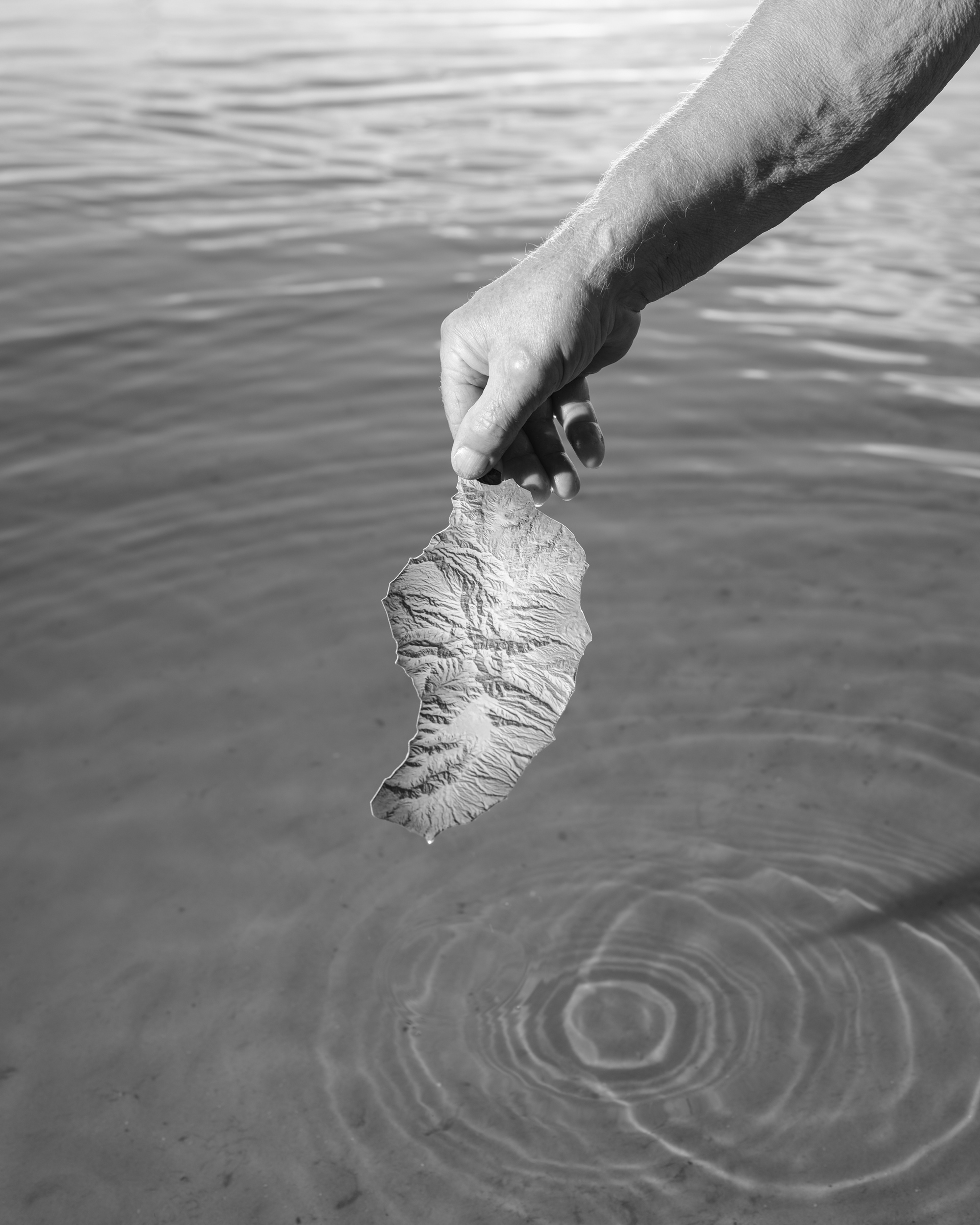
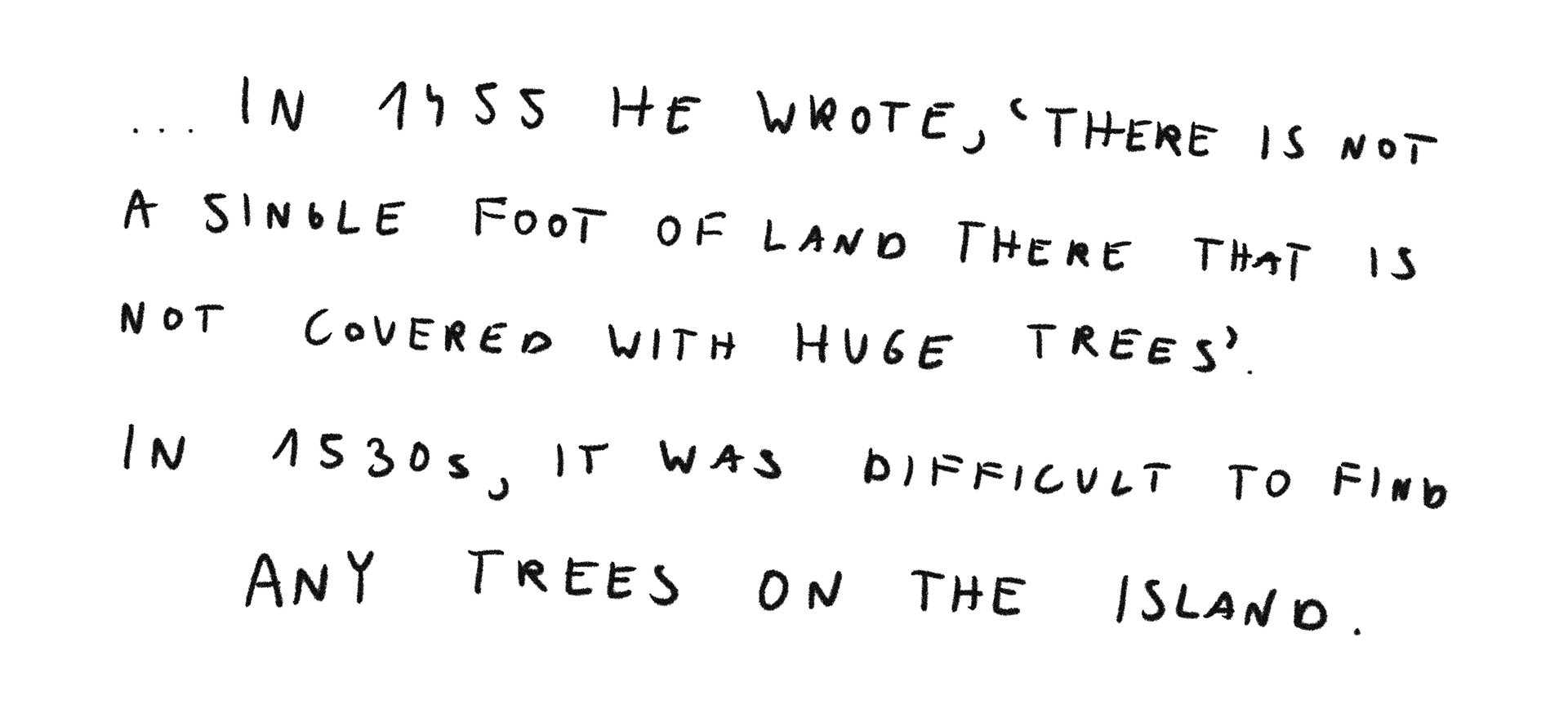
an excerpt from the book "A History of the World in Seven Cheap Things: A Guide to Capitalism, Nature, and the Future of the Planet" Raj Patel, Jason W. Moore
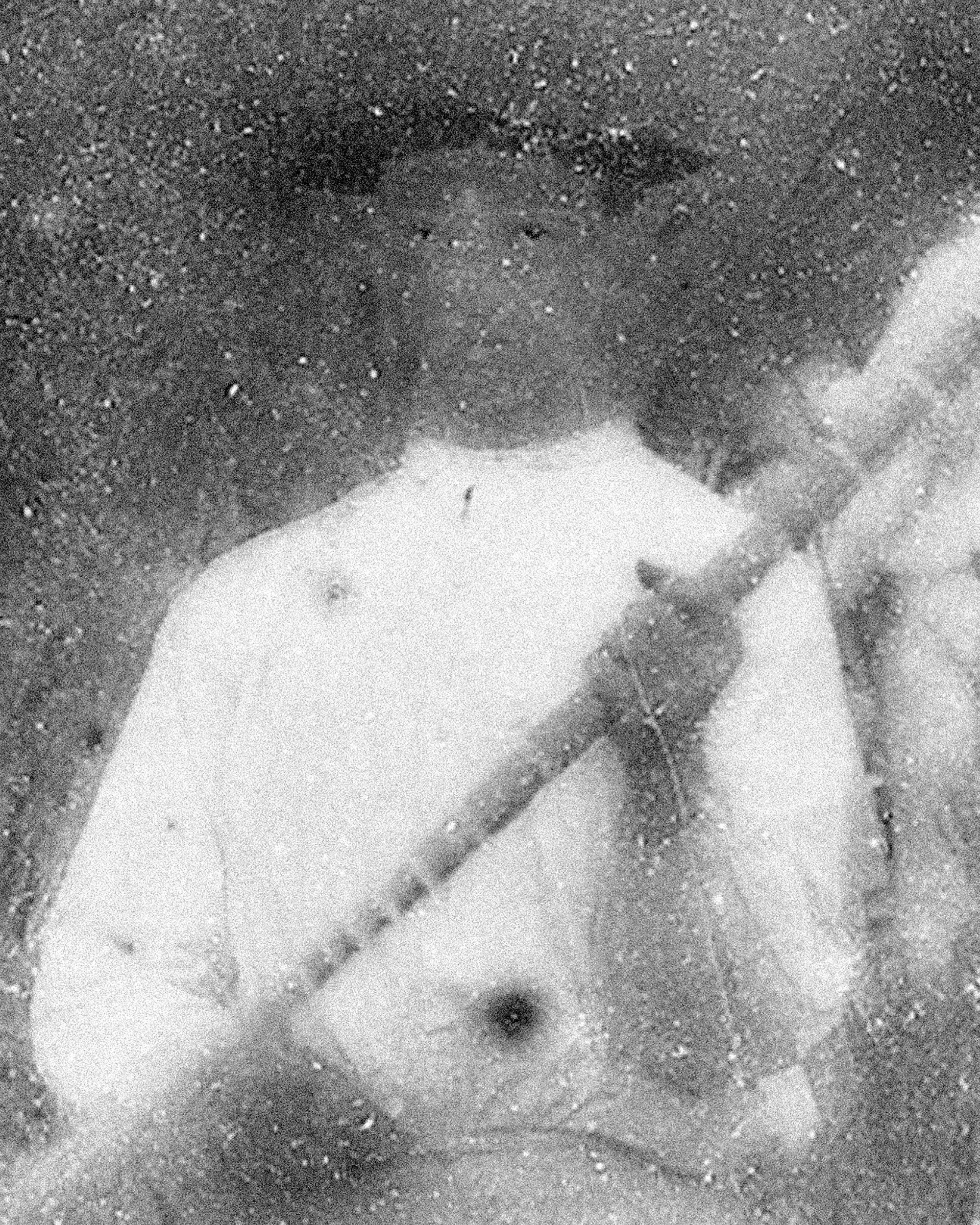
Excerpt from a photograph (Sugarcane harvest at an unidentified location on the island of Madeira, second half of the 19th century) provided by ABM (Arquirvo e Biblioteca da Madeira)
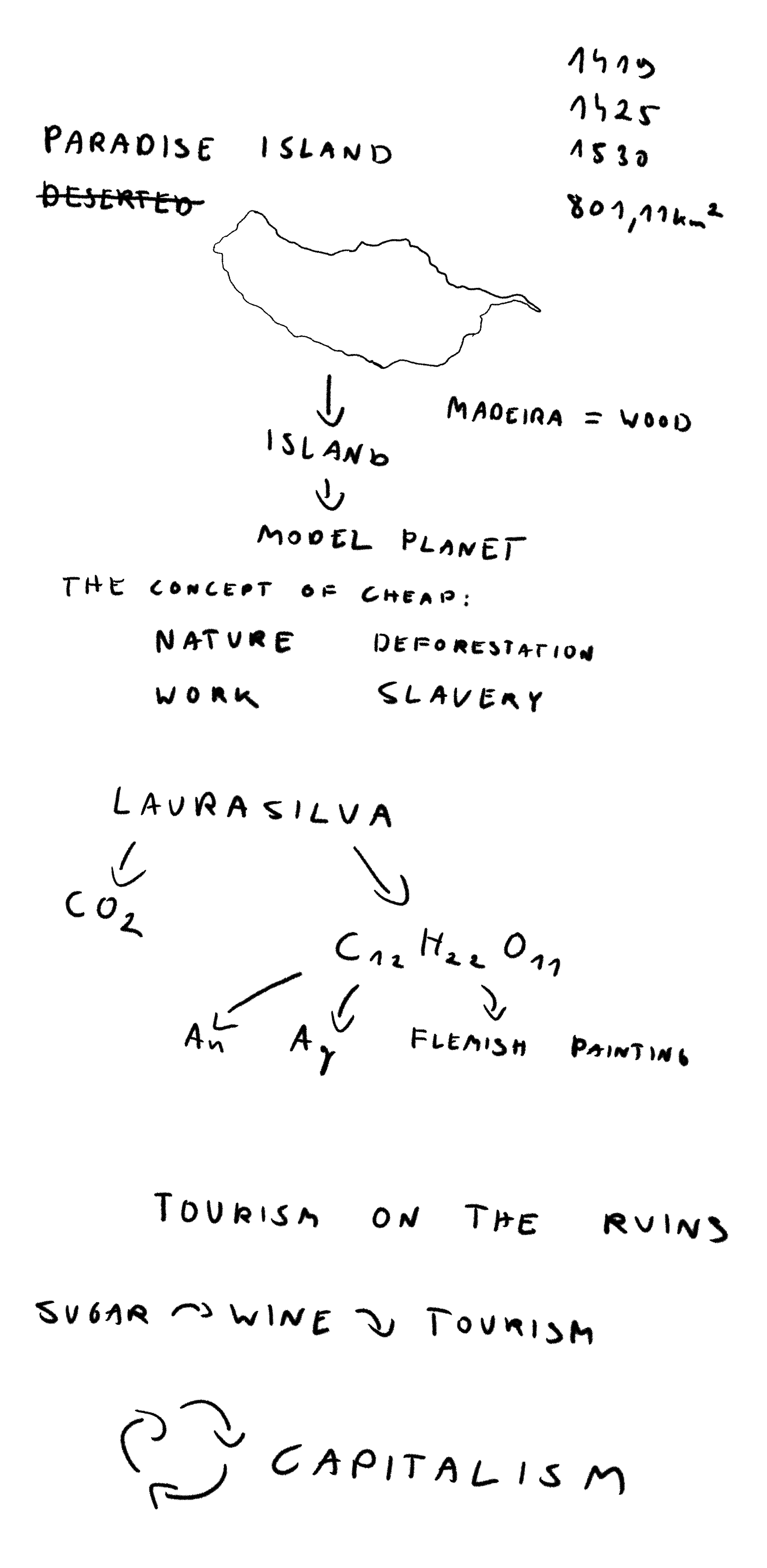
The residency is realized in Madeira upon the invitation of Ci.CLO Plataforma de Fotografia Porto.

Supported by the Adam Mickiewicz Institute through the “ReSide” programme.
Co- financed by the Minister of Culture and National Heritage of the Republic of Poland.
Co- financed by the Minister of Culture and National Heritage of the Republic of Poland.
